How To Use A Wood Turning Parting Tool

Henry Taylor Kryo Beading Parting Tool 1 4 From Craft Supplies Usa The Henry Taylor Kryo Beading Parting Tool Is A Craft Supplies Usa Tools Wood Turning
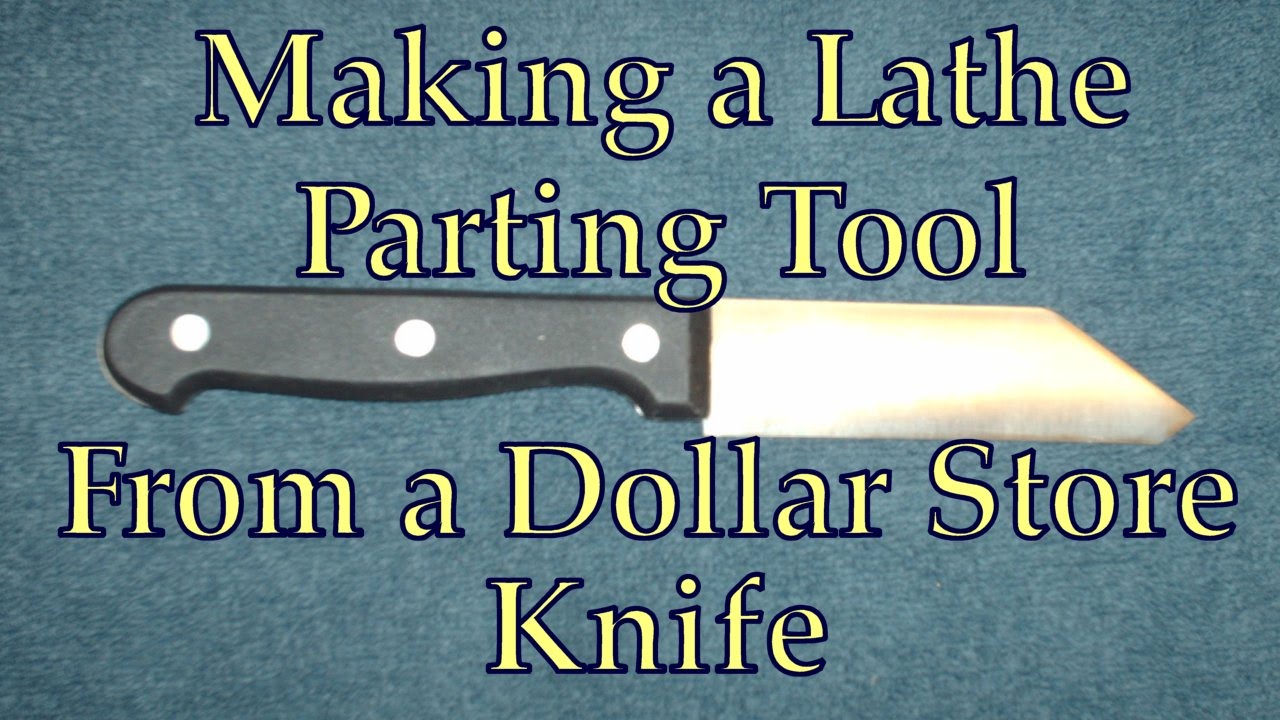
Parting Tool From A Dollar Store Knife Youtube Wood Turning Projects Lathe Tools Lathe


Robert Sorby M2 Hss Diamond Parting Tool Hand Tools Craft Supplies Usa Craft Supplies Usa Wood Turning Woodturning Tools

Henry Taylor Narrow Parting Tool Hand Tools Craft Supplies Usa Craft Supplies Usa Woodturning Tools Craft Supplies

Carter And Son M42 Hss Parting Tool 1 16 From Craft Supplies Usa The 1 16 Parting Tool By Carter And So Craft Supplies Usa Woodturning Tools Wood Turning

This may still leave you with a small piece of wood to clean up at the head stock end and a slightly larger piece at the tail stock.
How to use a wood turning parting tool. I got it looking nice and shiney looked pretty good. It was about 14 wide and works well even if I have to sharpen it often. Use the left hand to guide the tool by holding your hand over the tool near the blade edge.
Rather than cutting a woodturning scraper scrapes using a burr. I shaped the end of the blade like the Sorby Parting Tool double angle look. Another thought on parting is to try to do your parting as close to the chuck jaws as possible.
There are many types shapes and thicknesses of parting tools but a flatsided 18- 3mm- wide by 34-high tool is the one I use. Being a contractor I just happen to have a box of old blades I can use for making my parting tool. A versatile tool used not only for parting work off the lathe but also for making fillets and forming tenons for holding work in a scroll chuck.
This burr must be kept sharp to be effective. Next I took the blade over to the disk sander and ground it down to bare metal. When using a scraper it is held at a downward angle - tool lower than the handle.
Shape it a little on the disk sander and fine tune the cutting tip. I then cut the end of the blade off to square it off and I cut and ground down the teeth. Parting tools come with either flat or.
Rest your little finger and the back of your palm on the tool rest located in the center of your wood lathe machine. Another important step is to make sure the cutting tip of your parting tool is right on the center line of the piece you are parting. I was looking for a parting tool with a 116 to 18 blade and found a couple out there costing anywhere between 20 and 30 dollars.

Pin On Tools

Simple Carbide Parting Tool For Wood Lathe Wood Turning Wood Lathe Woodturning Tools

Henry Taylor M2 Hss Diamond Parting Tool Hand Tools Craft Supplies Usa Craft Supplies Usa Woodturning Tools Tools
Worthy Woodturning Projects Click Here For Info Wood Turning Wood Turning Lathe Wood Turning Projects

Robert Sorby Thread Chasing Armrest Hand Tools Craft Supplies Usa Craft Supplies Usa Ancient Tools Craftsman Power Tools

Hurricane Turning Tools Woodturning Diamond Parting Tool High Speed Steel 3 4 Inches X 3 16 Inches High Speed Steel High Speed Steel Turning Tools Wood Turning

Pin On Octavio S 20 20

Robert Sorby M2 Hss Bowl Gouge Hand Tools Craft Supplies Usa Craft Supplies Usa Wood Craft Supplies Craft Supplies

Iglobalbuy 8pc Wood Lathe Chisel Turning Tool Set Woodworking Gouge Skew Parting Spearpoint Set Mor Lathe Chisels Turning Tools

Pin On Wood Turning Tools Stryi

Us 93 00 98 00 19 Off Red Arrow Yi Series Hollowers T1 T2 T3 Howllowing Tools Wood Handle With Wood Carbide Insert Wood Turning Tool Tool Accessories From To Wood Turning Turning Tools Wood Handle

Pin On A Ultra Shear

Pfeil Swiss Made 12 Sweep V Parting Tool 2 Mm Intermediate Size Carving Tools Tools Wood Carving Tools

