How To Paint After Sanding
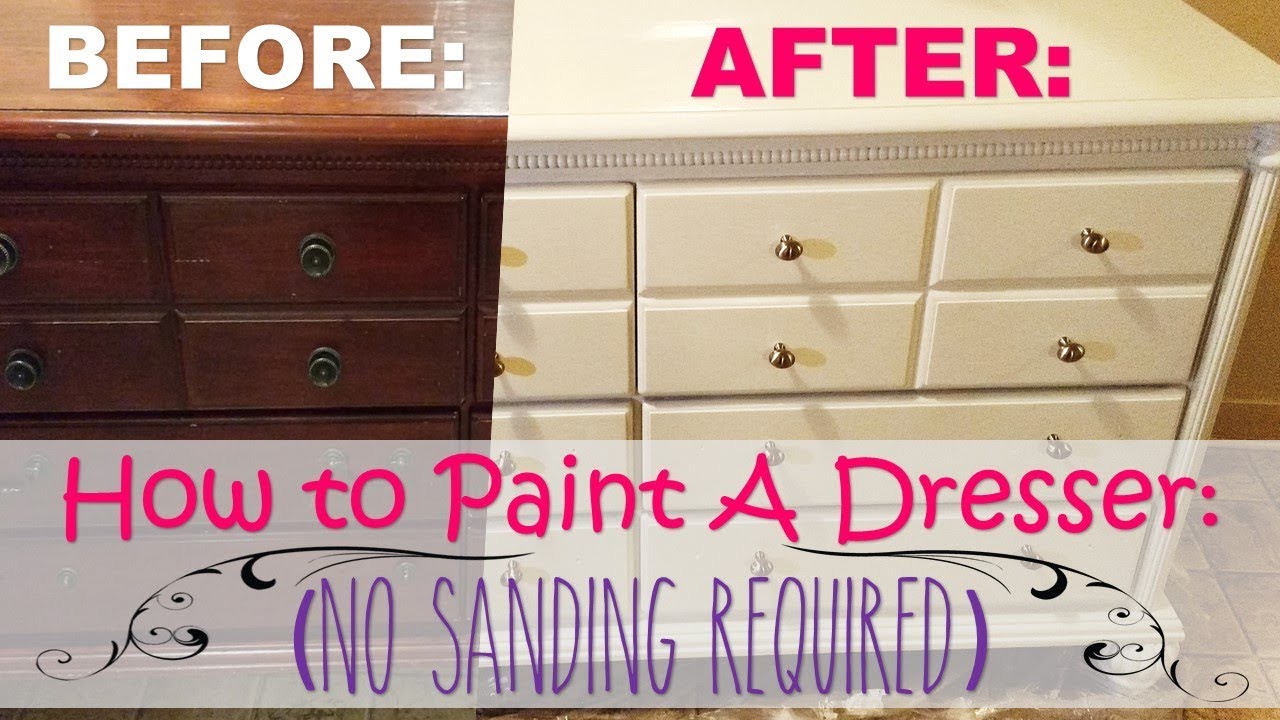
How To Repaint Furniture No Sanding Req Step By Step Instructions Youtube Repainting Furniture Painting Old Furniture Refinishing Furniture Diy

Looking Into Painting Wood Trim White This Step By Step Tutorial On How To Paint Wood Trim Without Stained Wood Trim Painting Wood Trim Painting Wood Paneling

Diy Table To Ottoman And How To Paint Furniture Without Sanding Easy Peasy Pleasy Painting Wood Furniture Painted Furniture Redo Furniture

How To Paint Kitchen Cabinets Without Sanding Or Priming Step By Step Kitchen Diy Makeover Kitchen Cabinets Kitchen Renovation

How To Paint Kitchen Cabinets Without Sanding Or Priming Step By Step Kitchen Diy Makeover Painting Kitchen Cabinets Kitchen Renovation

Chalkpaint1 How To 7 Easy Steps To Refinishing Old Furniture Without Sanding Using Eco Frie Diy Furniture Redo Painting Wood Furniture Antiquing Furniture Diy

The most effective way to clean wood after sanding is to brush all the dust off the wooden surface using a painters dust brush and then wipe the surface with a lint-free rag and mineral spirits.
How to paint after sanding. How to Prep a Wall by Sanding Step 1. The mineral spirits will clean any grime or grease off of your surface making it ready for painting or staining. In this video we show you how to color-sand and buff a fresh paint job to get that mirror finish you are looking for.
After all there are different sanding techniques and different sanding tools to produce different results. Primer raises burnt paper from sanding the drywall. You could use a pre-paint cleaner to thoroughly clean the surface.
So how should wood look after sanding. Yet a more thorough way of cleaning the fine dust particles from a sanded wood floor left behind after vacuuming or dust mopping. Prepare the room for painting by removing as much furniture as possible and covering the furniture that cannot be moved.
In this article learn a tip for removing the final traces of sawdust from your project. Dont apply too much pressure on the sanding pole or its swiveling head might flip. The primer will help to hide joints holes seams and etc.
After sanding your woodworking project you need to remove all traces of sawdust before youre able to apply the paint or stain finish of your choice. Another way could be applying primer first then apply paint on it. Choose your coarsest grit 600 if you are sanding primer or bodywork 800-1000 if you are sanding a finished paint job.
Because only brushing wont be enough to clean the dust laying in between wood fiber. Once the wood has been sanded it should have an even surface with non-jagged or rough edges it will take on a lighter color appearance and often the grains of the wood will show more. Paint over stained wood trim with as little sanding as possible while still getting a long-lasting finish that is smooth and streak free.

How To Paint Laminate Furniture Without Sanding Salvaged Inspirations Laminate Furniture Makeover Painting Laminate Furniture Laminate Furniture
How To Paint Your Dresser Without Sanding Dresser Paint Sanding In 2020 Furniture Makeover Diy Dresser Refinished Dresser Diy Furniture Makeover Diy

Pin By Debra Malinowski On Diy Furniture Painting Old Furniture Old Furniture Redo Furniture

Great Tips For Painting Doors Painted Doors Professional Painters House Painting Tips

How To Paint Kitchen Cabinets Without Sanding Or Priming Step By Step Home Diy Painting Kitchen Cabinets Painting Cabinets

How To Paint Furniture Without Sanding Salvaged Inspirations Painting Old Furniture Recycled Furniture Salvaged Furniture

How To Paint Cabinets Without Sanding A Fresh Squeezed Life Painting Cabinets Rustic Style Decor Diy Home Decor Projects

Before And After Outdated Peeling Leather Ottoman Sanded And Painted With Chalk Paint Then Wax Paste Painting Leather Couch Repair Leather Couch Repair

Your How To Guide For Painting Stairs Painted Stairs Diy Stairs Staircase Makeover

Quick Painting Tip Paint Over Stained Wood With Liquid Sandpaper Painting Over Stained Wood Paint Stained Wood Staining Wood

Painted My Furniture Without Sanding With Annie Sloan Paint Wax Sanding Furniture Spray Paint Furniture Without Sanding Spray Paint Furniture

The Best Way To Paint Kitchen Cabinets No Sanding Painting Kitchen Cabinets Diy Kitchen Cabinets Old Kitchen Cabinets

How To Paint Trim White My Method For Painting My Whole Home Myself Painting Trim White Painting Trim Painting Wood Trim

